
Introduction: Investing in the Future – The Role of Career Readiness Programs
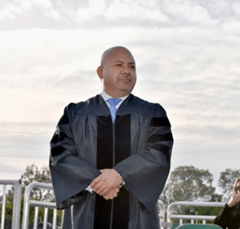
The modern workforce is characterized by rapid change, evolving skill demands, and a growing emphasis on adaptability. Traditional educational models often struggle to adequately prepare students for the realities of the 21st-century job market. Consequently, a growing number of institutions are recognizing the critical importance of Career Readiness Programs – initiatives designed to equip students with the knowledge, skills, and mindset necessary to thrive both professionally and personally. Says John Ramirez Jr., these programs represent a significant investment in the future, fostering not just employment success but also a sense of purpose and fulfillment within individuals. The benefits extend far beyond simply landing a job; they cultivate a skillset that empowers individuals to navigate challenges, contribute meaningfully, and continuously learn throughout their careers. This article will explore the multifaceted ways these programs contribute to student preparedness and the lasting impact they can have on their future success.
Building Foundational Skills – The Core of Career Readiness
At the heart of effective Career Readiness Programs lies the development of fundamental skills. These aren’t simply rote memorization of facts; rather, they encompass a broad range of competencies crucial for success. A significant portion of these programs focuses on critical thinking – the ability to analyze information, identify problems, and formulate solutions. Students learn to approach challenges with a systematic and analytical mindset, moving beyond simply accepting information at face value. Furthermore, strong communication skills are consistently prioritized, encompassing both written and verbal proficiency. Effective communication is vital for collaboration, client interaction, and presenting ideas clearly – all essential elements in virtually any professional setting. Finally, technical skills, often tailored to specific industries, are introduced, providing a solid base for practical application and demonstrating competence.
Cultivating Employability – Practical Application and Industry Partnerships
Beyond theoretical knowledge, Career Readiness Programs often incorporate practical application through real-world projects and simulations. Students are frequently involved in internships, volunteer work, and even small-scale business ventures, allowing them to translate classroom learning into tangible experience. These experiences provide invaluable insights into industry practices, professional workflows, and the demands of the workplace. Crucially, these programs frequently forge partnerships with local businesses and organizations. These connections offer students opportunities for mentorship, guest speakers, and potential job shadowing, providing a direct pathway to professional connections. The collaborative nature of these partnerships further enhances the learning experience, fostering a sense of community and shared responsibility.
Developing Soft Skills – The Human Element of Success
While technical skills are undeniably important, the ability to work effectively in teams, manage time, and demonstrate professionalism are equally vital. Career Readiness Programs actively cultivate these “soft skills” through group projects, role-playing exercises, and feedback sessions. Students learn to navigate conflict constructively, prioritize tasks, and demonstrate a commitment to meeting deadlines – all essential attributes for success in any collaborative environment. Furthermore, the emphasis on ethical conduct and professional responsibility reinforces the importance of integrity and respect – qualities that are consistently valued by employers.
Preparing for Lifelong Learning – Embracing Continuous Growth
The modern workplace is characterized by constant evolution. A successful Career Readiness Program recognizes that learning is an ongoing process. It emphasizes the importance of adaptability, curiosity, and a proactive approach to skill development. Students are encouraged to explore new technologies, seek out professional development opportunities, and cultivate a growth mindset – the belief that abilities can be developed through dedication and hard work. These programs provide the tools and support necessary to navigate the ever-changing landscape of the workforce, ensuring that individuals remain relevant and engaged throughout their careers.
Conclusion: Investing in a Brighter Future
In conclusion, Career Readiness Programs are far more than just academic requirements; they are strategic investments in the future success of students. By prioritizing foundational skills, practical experience, and the cultivation of essential soft skills, these programs equip individuals with the tools they need to thrive in the workforce. The connections forged through partnerships with businesses and organizations, coupled with a commitment to lifelong learning, create a pathway to fulfilling and impactful careers. Ultimately, these programs contribute to a more skilled, adaptable, and ultimately, more prosperous workforce for all.